The term 203.160.175.158.14001 may look confusing at first. It looks like a long string of numbers. Many people see it in server logs, firewall alerts, or network settings. They often wonder what it means and if it is safe.
In simple words, 203.160.175.158.14001 combines an IP address and a port number. The first part is the IP address. The last number is the port. Together, they help devices talk to each other on the internet. In this guide, I will explain everything in easy language. You will learn how it works, why it appears, and what you should do if you see it.
What Is 203.160.175.158.14001
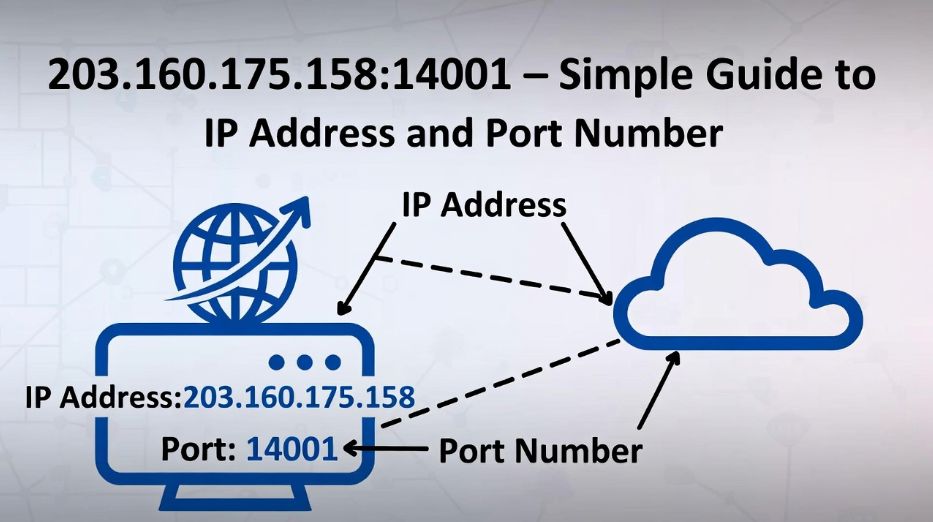
The number 203.160.175.158.14001 is made of two parts. The first part is 203.160.175.158. This is called an IPv4 address. The second part is 14001, which is a port number.
An IP address works like a home address. It tells computers where to send data. A port number works like a room number inside the house. It tells the system which service should receive the data. When you see 203.160.175.158.14001, it means a device at that IP is using port 14001 for communication.
This format is common in network configuration, server hosting, and firewall logs. Many online services use ports above 10000 for custom apps. So, this number is not random. It follows internet rules.
Breaking Down the IP Address Part
The IP part of 203.160.175.158.14001 is 203.160.175.158. This follows the IPv4 format. IPv4 uses four number blocks. Each block ranges from 0 to 255.
This address may belong to a company, hosting provider, or data center. Public IP addresses are given by internet authorities. These addresses allow global communication.
If you search this IP in an IP lookup tool, you may see details like location, ISP, or hosting provider. This helps in cybersecurity checks. Many IT experts check unknown IPs to make sure there is no suspicious activity.
What Does Port 14001 Mean
The port in 203.160.175.158.14001 is 14001. Ports range from 0 to 65535. Each port supports a different service.
Common ports include 80 for HTTP and 443 for HTTPS. But port 14001 is not a standard public port. It is usually used for custom applications. Some companies use such ports for private servers or remote tools.
If you see this port in your firewall logs, it does not always mean danger. It could simply be a server request. Still, checking unknown ports is a good security habit.
Why You Might See 203.160.175.158.14001
You may see 203.160.175.158.14001 in different places. It can appear in:
- Router logs
- Server logs
- Firewall alerts
- Network monitoring tools
Sometimes it appears during online gaming or remote software access. I once saw a similar format while checking my own website logs. It turned out to be a normal bot request from a hosting server.
Not every unknown IP is harmful. But you should always check the source if traffic looks strange.
Is 203.160.175.158.14001 Safe
Safety depends on context. The number 203.160.175.158.14001 alone is not dangerous. It is just an address and port.
However, if your antivirus or firewall flags it, you should investigate. Check if you installed new software. Some apps use custom ports like 14001.
If the traffic repeats too often, block the IP in your firewall. Cybersecurity experts recommend monitoring unknown inbound traffic. Staying alert keeps your system safe.
How IP Addresses and Ports Work Together
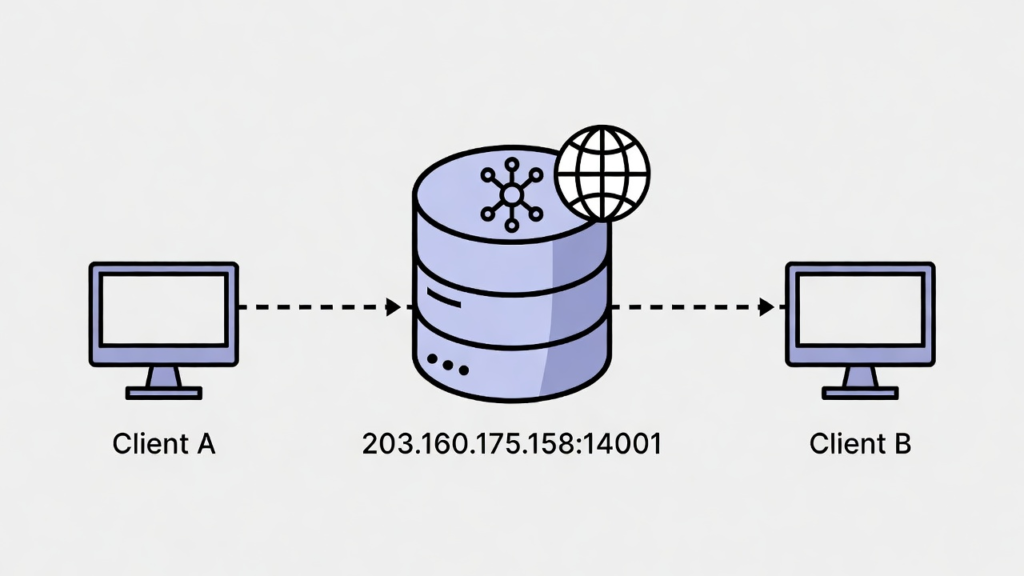
An IP address identifies a device. A port identifies a service. Together, they form a full connection path like 203.160.175.158.14001.
Think of it like sending a letter. The IP is the house address. The port is the apartment number. Without the port, the data would not reach the correct service.
This system allows many services to run on one server. Web servers, databases, and apps all use different ports.
Common Uses of Custom Ports Like 14001
Ports above 10000 are often used for:
- Private server applications
- Online game servers
- Remote desktop tools
- Internal company systems
The port 14001 in 203.160.175.158.14001 may be used by a specific app. Companies often choose higher ports to avoid conflict with common services.
How to Check an IP Address Safely
If you want to check 203.160.175.158.14001, follow simple steps:
- Use an IP lookup tool.
- Check your firewall logs.
- Scan your system with antivirus software.
- Monitor unusual network traffic.
Do not click unknown links related to it. Always rely on trusted cybersecurity tools.
SEO and Network Monitoring Importance
Understanding 203.160.175.158.14001 helps website owners. Monitoring server IP traffic improves performance and security.
Search engines value safe websites. If harmful IP traffic affects your site speed, it may hurt rankings. So, checking unknown IP connections supports technical SEO and cybersecurity health.
When Should You Block an IP
You should block 203.160.175.158.14001 if:
- It sends repeated unwanted traffic
- It tries login attacks
- It triggers malware warnings
Otherwise, simple monitoring is enough. Do not block IPs without reason. It may affect real users.
FAQs
1. Is 203.160.175.158.14001 a virus?
No. It is an IP address with a port number. It is not a virus by itself.
2. Why is port 14001 used?
Port 14001 is usually used for custom services or private servers.
3. Can I block 203.160.175.158.14001?
Yes. You can block it in your firewall if it shows harmful behavior.
4. How do I find the owner of the IP?
Use a public IP lookup tool to see ISP or hosting provider details.
5. Is this a private IP address?
No. 203.160.175.158 is a public IPv4 address.
6. Should I worry if I see it once?
No. One log entry is usually normal internet traffic.
Conclusion
The number 203.160.175.158.14001 may look scary, but it is simple to understand. It combines an IPv4 address and a port number. Together, they help devices communicate online.
If you see 203.160.175.158.14001, stay calm. Check your logs. Use security tools. Most of the time, it is normal traffic. Understanding IP addresses, open ports, and network security keeps you safe and confident online.
If you found this guide helpful, consider sharing it. Learning about internet safety protects everyone.