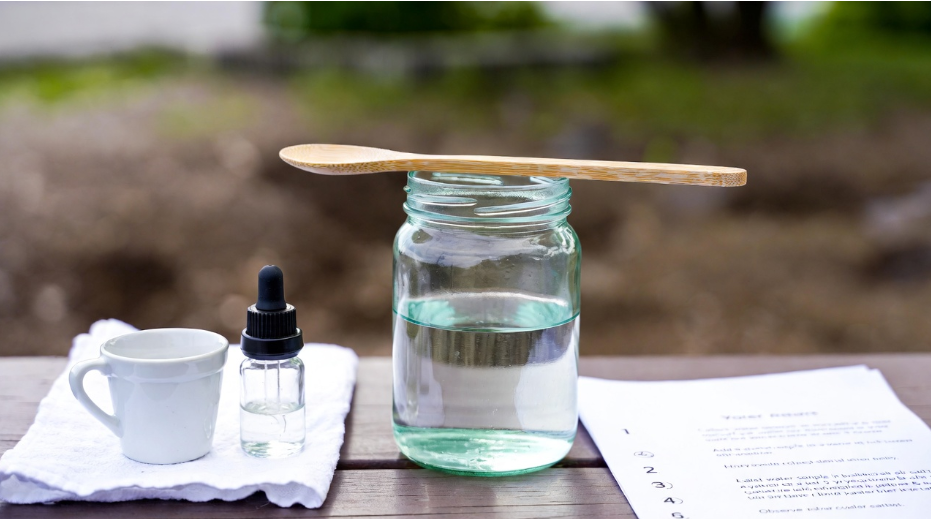
If you get your water from a private well, you are the manager of your own water utility. Unlike city water, no government agency checks your tap for safety every day. This makes well water testing your most important job as a homeowner. Many people think that if their water looks clear and tastes fine, it must be safe. However, some of the scariest things in water, like arsenic or certain bacteria, have no smell or color at all.
Regular well water testing helps you find hidden problems before they make your family sick. It is like an annual check-up for your house. By staying ahead of issues, you can save money on expensive repairs to your pipes or filtration systems. Think of it as peace of mind in a bottle. When you know exactly what is in your water, you can relax and enjoy every glass.
What Are Common Well Water Contaminants?
Groundwater can pick up many things as it moves through the soil and rocks. Some of these are natural, while others come from human activity. Common well water contaminants include things like nitrates from fertilizers or bacteria from nearby septic systems. Heavy metals like lead or copper can also leak into your water from old plumbing.
When you perform well water testing, you are looking for these invisible guests. For example, high levels of manganese can leave brown stains on your laundry. While that is annoying, things like E. coli are much more serious. Knowing what is in your water helps you choose the right filter. It is always better to be safe and informed than to guess about your health.
Important Water Quality Indicators to Watch
| Indicator | What It Is | Why It Matters |
| pH Levels | Measures acidity | Acidic water can eat away at your metal pipes. |
| Total Dissolved Solids | Minerals and salts | High levels make water taste salty or “off.” |
| Turbidity | Cloudiness | Cloudy water can hide bacteria and clog filters. |
| Hardness | Calcium and Magnesium | Causes scale buildup in water heaters and kettles. |
| Nitrates | Chemical runoff | Very dangerous for babies and young children. |
| Coliform Bacteria | Microorganisms | Shows if waste or surface water is getting in. |
How Often Should You Do Well Water Testing?
Experts suggest that you should do basic well water testing at least once every year. Spring is a great time for this because heavy rain and melting snow can wash chemicals into the ground. If you have a brand-new well, you should test it more often during the first year. This helps you understand how the water quality changes with the seasons.
You should also do well water testing if you notice a change in how your water tastes, smells, or looks. If there is a flood in your area or if you replace a part of your well pump, run a test. Even if everything seems perfect, a yearly check is the best way to ensure your drinking water quality stays high. It is a small task that offers a huge reward for your health.
Understanding the Risks of Bacteria and Viruses
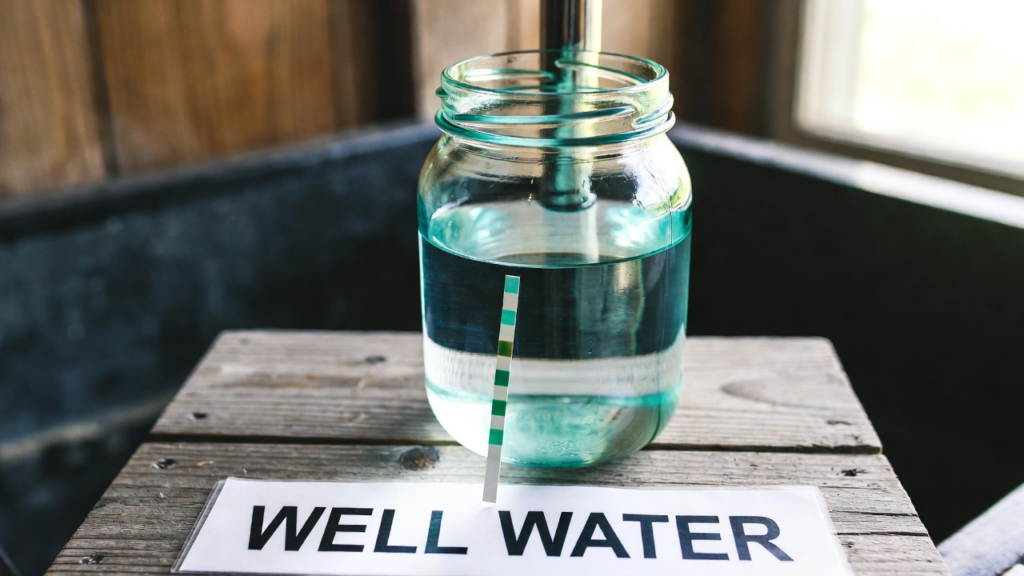
Living organisms are some of the most common issues found during well water testing. Bacteria like total coliform are often used as a “red flag” indicator. If they are present, it means other harmful germs might be able to get into your system too. Viruses and parasites can cause stomach pain, fever, or worse, especially for the elderly.
When you get your well water testing results, look closely at the bacteria section. If the lab finds “fecal coliform,” you need to take action right away. This usually involves “shocking” the well with chlorine to kill the germs. It might sound scary, but these issues are very treatable once you know they exist. Clean water is the foundation of a healthy home.
Dealing with Heavy Metals in Your Water
Heavy metals can find their way into your well from natural deposits in the earth. Lead and arsenic are two of the most concerning metals found during well water testing. Lead usually comes from old pipes or solder, while arsenic is often just part of the local geology. Neither of these can be seen or tasted, which is why lab tests are so vital.
Long-term exposure to these metals can lead to serious health problems over many years. This is why water safety is a long-term commitment. If your well water testing shows high metal levels, don’t panic. There are many great systems, like reverse osmosis or special ion-exchange filters, that can remove these metals. Protecting your family starts with a simple water sample.
How to Collect a Sample for Water Analysis
Taking a sample for well water testing is easy, but you must do it correctly. You should use a sterile bottle provided by a certified laboratory. Don’t use a jar from your kitchen, as it might have tiny bits of food or soap left in it. Most labs will give you specific instructions on whether to take the sample from a “first draw” or after letting the water run.
Carefully follow the steps to avoid touching the inside of the cap or the rim of the bottle. Your hands have natural bacteria that could ruin the water analysis. Once the bottle is full, get it to the lab as fast as possible. Most samples need to be tested within 24 hours to give you the most accurate results. Proper sampling ensures your well water testing is worth the effort.
Finding a Certified Laboratory Near You
You might see DIY home test kits at the hardware store. While these are okay for a quick check of pH or hardness, they are not a replacement for a professional lab. For true well water testing, you should find a state-certified laboratory. These labs use high-tech machines that can find even tiny amounts of harmful substances.
A professional water analysis will give you a detailed report that is easy to share with a water treatment expert. They can tell you if your water meets the safety standards set for public systems. While it costs a bit more than a home kit, the accuracy of a certified lab is much higher. When it comes to the safety of your children, you want the most reliable data possible.
The Impact of Local Farming and Industry
Your well does not exist in a vacuum. It is connected to the land around you. If you live near a large farm, your well water testing should focus on nitrates and pesticides. If you live near a factory or a gas station, you might want to check for volatile organic compounds (VOCs). These chemicals can soak through the soil and into the aquifer.
Keeping an eye on your neighbors’ land use is a smart part of water safety. Even a neighbor’s failing septic tank can impact your well if it is too close. By doing regular well water testing, you can see if activities in your community are affecting your private supply. It helps you be a proactive protector of your home’s most precious resource.
Improving Your Drinking Water Quality
If your well water testing shows a problem, there are many ways to fix it. Water softeners are great for removing hardness that clogs your pipes. Carbon filters are excellent for making water taste better and removing smells. For more serious issues like bacteria, a UV light system can kill germs without using any chemicals.
Improving your drinking water quality is a step-by-step process. Start with the most dangerous issues first, like bacteria or lead. Then, you can move on to “aesthetic” issues like staining or funny tastes. Many homeowners find that a combination of filters works best. Your well water testing results act as a map to guide you toward the perfect treatment setup.
Maintaining Your Private Well System
Testing the water is just one part of keeping your system healthy. You should also look at the well head outside your house. Make sure the cap is tight and sitting at least 12 inches above the ground. This prevents surface water and bugs from crawling inside. Good maintenance makes your well water testing results look much better over time.
Avoid using fertilizers or weed killers right next to the well. Also, make sure your septic tank is pumped every three to five years. A healthy septic system protects your groundwater from contamination. By taking care of the “hardware” of your well, you ensure that well water testing remains a routine check rather than a source of bad news.
Frequently Asked Questions
1. Can I test my own well water?
You can use home kits for basic things like pH, but for health-related concerns, always use a lab. Professional well water testing is much more accurate for finding bacteria and heavy metals.
2. My water smells like rotten eggs. Is it safe?
That smell is usually sulfur gas. While it smells bad, it usually isn’t harmful. However, you should still perform well water testing to make sure there isn’t a bacteria problem causing the odor.
3. How much does a professional water test cost?
Basic well water testing usually costs between $50 and $150. If you want to test for complex chemicals or many different metals, the price can go up. It is a small price for long-term health.
4. What are nitrates and why are they in my well?
Nitrates come from animal waste, fertilizers, or septic systems. They are a common part of well water contaminants in rural areas. High levels are very dangerous for infants, so testing is vital.
5. Does a water softener make my water safe to drink?
No, a softener only removes minerals like calcium. It does not kill bacteria or remove lead. You need specific filters based on your well water testing results to ensure total safety.
6. What should I do if my test fails?
Don’t panic! Most water issues can be fixed. Stop drinking the water and use bottled water until you can install a treatment system or disinfect your well. Your lab can help explain the next steps.
Conclusion: Take Charge of Your Water Today
Your home’s water is the lifeblood of your daily routine. From cooking dinner to taking a warm shower, you rely on your well every single hour. Taking the time for well water testing is the best way to show you care about your family’s well-being. It is a simple, affordable habit that prevents big problems down the road.
Now that you know how important water safety is, why wait? Check your calendar and see when you last had your water checked. If it has been more than a year, or if you have never done it, today is the perfect day to start. Contact a local lab and get your testing kit. You deserve to know that every drop of water in your home is clean, safe, and refreshing.