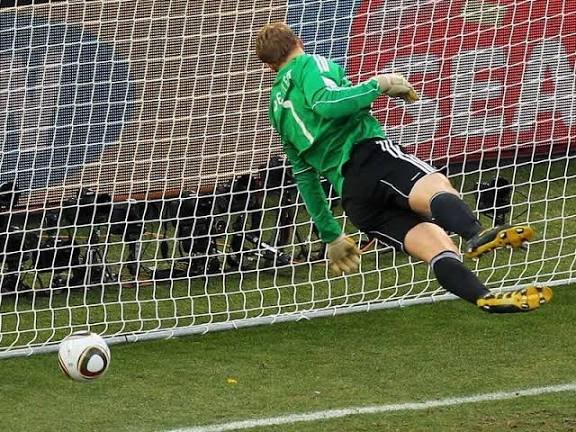
The 2012/13 Ligue 1 season stood out as a premier example of defensive organization dominating domestic football, characterized by compact backlines and low-risk tactical setups across the division. Clubs such as Saint-Étienne, Paris Saint-Germain, and Bordeaux regularly recorded clean sheets by prioritizing spatial control over expansive attacking play. For analysts and bettors assessing match dynamics, these defensive characteristics provided a consistent statistical foundation for targeting the “Both Teams to Score: No” (BTTS No) market. Recognizing the relationship between structural solidity and asymmetric scoring profiles allowed market participants to locate value where traditional total-goal markets often mispriced match flows.
The Tactical DNA Driving High Clean-Sheet Rates in French Football
French football during the 2012/13 campaign was defined by mid-block and low-block defensive structures designed to deny central space to opposing playmakers. Teams routinely fielded double-pivot midfield shields that limited high-quality chances inside the penalty area, preferring to concede possession in wide areas. This collective tactical mindset resulted in a high proportion of matches where at least one team failed to find the net, as breaking down organized defenses required more creative risk than most clubs were willing to take.
When defensive solidity is prioritized, the physical exertion required to break down a low block often exhausts attacking teams early in the second half. Consequently, matches involving defensive specialists frequently devolved into single-goal contests or goalless draws. This structural reality meant that markets pricing mutual goal scoring consistently overestimated the offensive capabilities of visiting or lower-half teams.
Evaluating the Strategic Advantage of the BTTS No Market
Targeting the BTTS No selection provides a distinct analytical edge over standard Under 2.5 goals markets because it does not require a total cap on match scoring. A match ending in a heavy 3-0 or 4-0 victory for a dominant home side still satisfies the criteria for BTTS No, whereas it fails completely in standard under-total selections. This distinction is crucial when analyzing elite defensive teams that possess enough attacking quality to punish opponent defensive errors while maintaining their own clean sheet.
Observing how bookmaker pricing responds to defensive metrics reveals where the structural edge lies. In scenarios where an elite defensive home side hosts a struggling away club with minimal creative output, accessing a reliable online betting site such as ufa168 slot allows market participants to evaluate how goal-concession probabilities are priced relative to clean-sheet trends. Leveraging comprehensive market availability ensures that selections targeting asymmetrical scoring profiles can be executed at optimal prices before line movement reduces expected value.
Statistical Thresholds for Identifying Optimal Matchups
To systematically filter suitable fixtures for BTTS No investments, reliance on basic clean-sheet counts is insufficient; underlying defensive metrics must be evaluated. Key indicators include low expected goals conceded (xGA) per match, high defensive duel win percentages, and low box-entry allowances. Teams that limit opponents to low-probability long-range shots consistently produce higher clean-sheet conversion rates over the course of a thirty-eight-match season.
Applying structured metrics across historical season performance isolates genuine defensive stability from unsustainable statistical variance. The table below illustrates how defensive metrics corresponded to clean-sheet frequency and BTTS No viability among selected clubs during the 2012/13 Ligue 1 campaign:
| Club Name | Clean Sheet Percentage | Opponent Box Entries / Match | Average Goals Conceded / Match | BTTS No Occurrence Rate |
| Paris Saint-Germain | 60.5% | 11.2 | 0.60 | 68.4% |
| Saint-Étienne | 47.3% | 13.5 | 0.84 | 63.1% |
| Bordeaux | 42.1% | 14.1 | 0.89 | 57.8% |
| Lille OSCC | 39.4% | 15.0 | 1.05 | 52.6% |
Analyzing these performance figures indicates a strong positive correlation between low box-entry counts and a high overall BTTS No occurrence rate. Teams that successfully restricted opposition access to the central penalty area sustained clean-sheet rates near or above fifty percent, making their fixtures statistically favorable for one-sided scoring outcomes. These metrics validate the premise that defensive structure dictates market suitability far more than raw offensive potential.
Situational Factors That Enhance One-Sided Scoring Scenarios
Beyond baseline season statistics, specific match conditions drastically increase the likelihood of a clean sheet for at least one side. Weather conditions, pitch surfaces, and fixture congestion all play significant roles in dampening offensive execution, particularly for away teams with limited squad depth. When a defensively disciplined side plays at home following a prolonged rest period, their capacity to maintain shape and execute pressing triggers remains at peak levels.
Evaluating match variables allows analysts to construct a checklist of ideal conditions for executing BTTS No selections:
- The home team has kept a clean sheet in at least three of their last four domestic league matches.
- The visiting team averages fewer than 1.0 expected goals (xG) per match on the road.
- Key offensive creators or primary goalscorers for the away team are absent due to injury or suspension.
- The head-to-head history demonstrates a pattern of low-scoring, highly tactical encounters.
Reviewing these criteria prior to match selection minimizes exposure to unpredicted high-scoring anomalies. When three or more of these conditional factors align, the probability of at least one team failing to score increases dramatically, offering a mathematically sound entry point. This disciplined filter prevents over-leveraging on matches where defensive variance could compromise the selection.
Tactical Mismatches Between Counter-Attacking Systems
When two counter-attacking teams face each other, neither side wishes to hold primary possession, resulting in a passive, mid-field stalemate. Neither team commits sufficient numbers forward to overload the opposition penalty box, drastically reducing the total number of clear-cut chances created. These specific tactical dynamics almost invariably produce matches where one or both sides fail to score.
Environmental Conditions That Cause BTTS No Strategies to Fail
While clean-sheet specialists offer consistency, certain tactical shifts and environmental variables can completely invalidate the BTTS No premise. Early goals scored within the first fifteen minutes force defensive teams to abandon their compact low-block systems and commit players forward, opening the game to end-to-end transitions. Once a defensive structure breaks down, the statistical probability of both teams finding the net rises exponentially.
In instances where live game script drastically alters defensive dynamics, traders often reassess risk parameters by comparing sports variance models with alternative gaming frameworks. When examining how rapid situational changes impact mathematical probability across different entertainment sectors, visiting an established casino destination like casino online highlights how fixed-odds models differ from real-time dynamic probability distributions. Understanding these broader mathematical principles helps analysts recognize when live match conditions have destroyed the pre-game statistical thesis.
Summary
Exploiting the high frequency of clean sheets in Ligue 1 during the 2012/13 season via the Both Teams to Score No market required a detailed understanding of defensive organization and situational match dynamics. Clubs that prioritized deep defensive blocks and controlled central space consistently produced match outcomes where at least one side failed to score. By filtering fixtures through quantitative metrics like expected goals conceded and box-entry suppression alongside qualitative filters like tactical matchups, analysts could systematically identify mispriced lines. Ultimately, success with this strategy depended on avoiding fixtures vulnerable to early tactical disruption while maintaining a disciplined, data-driven selection process.