Artificial intelligence is transforming nearly every part of digital content creation, and video production is experiencing one of the biggest shifts. In the past, producing high-quality videos required professional equipment, editing software, and significant technical expertise. Today, AI-powered systems can generate cinematic visuals, audio, and storytelling elements with minimal manual effort.
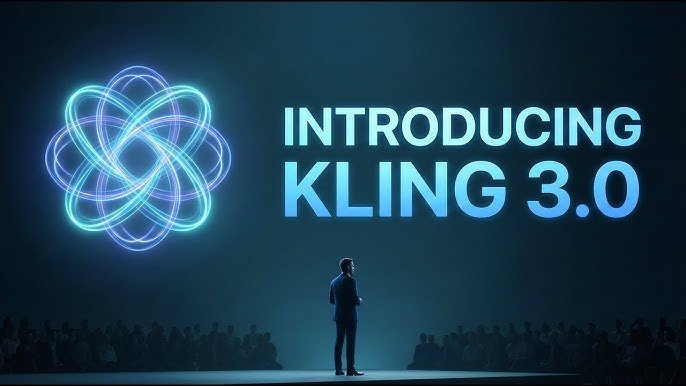
One of the most talked-about innovations in this space is Kling 3.0, a new generation AI video model that is pushing the boundaries of what automated video creation can achieve. By combining advanced text-to-video technology, realistic motion simulation, and integrated audio generation, Kling 3.0 is redefining how creators, marketers, and businesses produce video content.
The Evolution of AI Video Generation
AI video technology has progressed rapidly over the past few years. Early AI tools focused on simple tasks like converting images into short animations or creating slideshow-style videos from text.
However, these early systems often struggled with issues such as:
- Inconsistent motion
- Short video duration
- Lack of realistic physics
- Poor synchronization between audio and visuals
As the demand for automated video creation grew, developers began building more sophisticated AI models capable of generating cinematic-quality content.
Modern AI video models now use multimodal learning, meaning they understand and process multiple types of inputs such as text, images, and video references simultaneously. These models can analyze a prompt, interpret storytelling intent, and generate dynamic scenes.
This new generation of technology has paved the way for powerful systems like Kling 3.0, which represent a significant leap in AI-generated video capabilities.
What Is Kling 3.0?
Kling 3.0 is a next-generation AI video generation model designed to transform text prompts or images into cinematic videos with synchronized audio and advanced motion control.
Developed as part of a unified AI video platform, the model combines several capabilities into a single system, including:
- Text-to-video generation
- Image-to-video animation
- Automated scene composition
- Native audio generation
One of its standout features is the ability to generate continuous videos up to 15 seconds long with built-in audio, allowing creators to produce complete scenes instead of isolated clips.
This makes Kling 3.0 particularly useful for storytelling, marketing content, and social media videos.
Key Features That Make Kling 3.0 Stand Out
The rapid rise of Kling 3.0 is driven by several innovative features that improve both the quality and usability of AI-generated videos.
1. Native Audio Integration
Unlike earlier AI models that required separate audio editing tools, Kling 3.0 can generate synchronized dialogue, sound effects, and ambient audio automatically.
This means users can create complete audiovisual scenes directly from a prompt without adding voiceovers or soundtracks later.
For example, a prompt like:
“A traveler walking through a rainy neon city street at night”
can produce a video that includes:
- Visual scenes
- Rain sound effects
- Footstep sounds
- Ambient city noise
All generated together.
2. Cinematic 4K Video Quality
Another major improvement in Kling 3.0 is its ability to generate high-resolution videos up to 4K quality, making the output suitable for professional content creation.
High-resolution rendering ensures that:
- Visual details remain sharp
- Lighting appears realistic
- Motion looks natural
This level of quality brings AI-generated videos closer to traditional film production standards.
3. Multi-Shot Storytelling
Traditional AI video tools typically generate single clips without camera transitions. Kling 3.0 introduces multi-shot cinematic sequences, allowing the system to automatically create different camera angles and scene transitions.
For example, a single prompt could generate:
- A wide establishing shot
- A close-up of a character
- A tracking camera movement
This storytelling approach helps creators produce more engaging videos.
4. Character and Scene Consistency
Maintaining consistency across frames has been a challenge in AI video generation. Characters might change appearance, and objects might disappear between scenes.
Kling 3.0 improves consistency by maintaining the same character identity and visual elements throughout multiple shots.
This makes it easier to create:
- Story-based videos
- Marketing campaigns
- Branded content
where continuity is important.
5. Image-to-Video Animation
Another powerful feature is the ability to convert static images into animated videos.
Users can upload a photo or illustration and instruct the AI to generate motion, lighting effects, and camera movements while maintaining the original style.
This capability is useful for:
- Marketing visuals
- Product presentations
- Concept art animation
The Role of AI Video Apps in the Content Creation Ecosystem
While advanced AI models like Kling 3.0 generate the underlying visuals and motion, creators often use AI video apps to streamline the full production process.
These apps act as complete video creation platforms where users can:
- Generate scripts
- Produce AI visuals
- Add narration and subtitles
- Edit scenes
- Export content for social media platforms
Instead of using multiple tools for editing, voiceovers, and rendering, modern AI video apps combine all these capabilities in one workflow.
For creators and businesses, this integration offers several benefits:
Faster Production
Videos that once took hours or days to produce can now be generated in minutes.
Lower Costs
AI automation reduces the need for expensive editing software or production teams.
Scalable Content Creation
Businesses can produce multiple videos for marketing campaigns, tutorials, or social media posts without increasing production time.
Real-World Applications of Kling 3.0
The impact of Kling 3.0 goes beyond individual creators. Many industries are beginning to explore how AI-generated videos can enhance their workflows.
Marketing and Advertising
Marketing teams can use AI video generation to create:
- Promotional videos
- Social media ads
- Brand storytelling campaigns
AI tools allow marketers to experiment with multiple creative concepts quickly.
Social Media Content Creation
Short-form video platforms like Instagram, TikTok, and YouTube Shorts require constant content production.
AI video generation enables creators to generate multiple videos from a single idea, increasing posting frequency and engagement.
Film and Creative Storytelling
Filmmakers can use AI-generated videos to visualize scenes during pre-production.
This helps directors test camera angles, environments, and storytelling concepts before filming begins.
Education and Training
Educational platforms can use AI video tools to produce:
- Animated lessons
- Demonstration videos
- Interactive learning content
Visual storytelling improves knowledge retention and engagement.
How Kling 3.0 Works with AI Video Platforms
Platforms such as Invideo integrate powerful AI video models into user-friendly workflows.
For example, creators can describe a video concept, and the system automatically generates:
- Scripts
- Scenes
- Voiceovers
- Final video output
By combining advanced models like Kling 3.0 with intuitive video creation tools, creators can produce high-quality videos without complex editing processes.
This integration helps bridge the gap between cutting-edge AI research and practical content creation tools.
Challenges and Ethical Considerations
As AI-generated video becomes more advanced, several challenges must be addressed.
Content Authenticity
Highly realistic AI videos may make it harder for audiences to distinguish between real and synthetic media.
Misuse Risks
AI video technology could potentially be used to create misleading or deceptive content.
Copyright and Ownership
Questions about the ownership of AI-generated media are still being explored in legal and creative industries.
Responsible development and clear guidelines will be essential as the technology continues to evolve.
The Future of AI Video Generation
The emergence of Kling 3.0 signals a major shift in the way videos are created. As AI technology continues to improve, we can expect several exciting developments in the coming years.
Longer AI-Generated Videos
Future models may generate longer cinematic sequences with consistent storytelling.
Greater Creative Control
Creators may be able to control camera movements, lighting, and editing styles using simple prompts.
Personalized Video Content
AI could enable personalized videos tailored to specific audiences or individual viewers.
Fully Automated Production
Eventually, AI systems may handle the entire production pipeline—from writing scripts to generating final videos.
Conclusion
The development of Kling 3.0 represents a major milestone in the evolution of AI-powered video creation. With features like cinematic multi-shot generation, native audio synchronization, and high-resolution output, it brings AI-generated video closer to professional filmmaking.
At the same time, modern AI video apps are making these powerful technologies accessible to creators, marketers, and businesses around the world.
As AI continues to evolve, tools like Kling 3.0 will play a central role in shaping the future of digital storytelling. What once required expensive production teams can now be accomplished with a simple prompt—unlocking a new era of creativity powered by artificial intelligence.