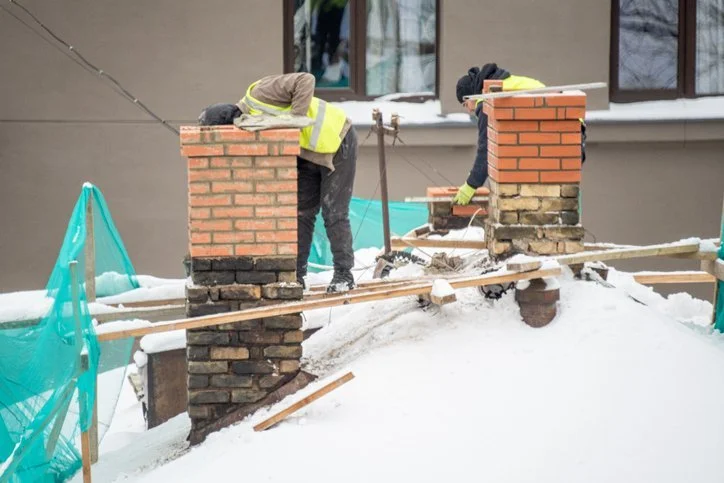
When flashing starts to pull away from masonry, the opening often looks minor from the ground. A thin gap along brick or stone does not seem like the kind of thing that could lead to major roof trouble. In reality, that separation can create a direct path for water to move behind the metal and into parts of the roof system that are not readily visible. For homeowners searching for roof repair eagle mountain, this is one of the roofing issues that deserves quick attention because the visible gap is rarely the full problem.
Flashing on masonry walls and chimneys plays an important role. It has to stay tight where two very different materials meet. Roofing materials expand, contract, and shift with exposure to the weather. Masonry does not move in the same way. Over time, that difference can strain the connection point. Once the flashing loosens, water can start slipping into the seam during rain, especially when wind pushes moisture against the wall instead of letting it run straight off the roof.
Why This Area Fails
Masonry edges are not simple roof surfaces. They are transition points, and many leaks begin there. The roof depends on metal flashing to guide water away before it can reach the decking or the underlayment below. If the flashing edge lifts, bends, or separates from the wall, runoff no longer follows the path it was supposed to take.
Sometimes the issue starts with aging sealant. In other cases, the metal itself shifts slightly over time. Fasteners can loosen. Mortar joints can crack. A small movement in one section can reduce the tightness of the flashing against the masonry. Once that happens, water has more time to collect in the opening and work inward.
This is part of what makes the problem easy to underestimate. The roof surface may still look mostly intact. The shingles may not appear heavily damaged. But if the flashing has opened up where it meets brick or stone, the roof can begin taking on moisture even while the broader field of the roof still looks sound.
How Water Gets In
A small gap in flashing can let in more water than most homeowners expect. During steady rain or windy storms, moisture can seep behind the metal instead of running off the roof as it should. Once water gets past that edge, it can reach the layers beneath the shingles and cause trouble out of sight.
From there, the moisture may spread into the roof deck, nearby framing, or insulation before anything shows up inside the house. That is why the leak you see indoors is not always directly below the place where the water first got in. A stain on a ceiling or wall may appear several feet away from the actual problem.
That same gap can keep letting in water every time the weather hits the roof just right. Even if the leak only shows up once in a while, the area can still be taking on moisture between storms. Over time, that can weaken wood, affect nearby materials, and make the repair larger than expected.
Signs to Watch For
One of the clearest signs is a gap where the flashing meets the masonry. The metal may look lifted, loose, or uneven instead of lying tight against the surface. You may also see staining on the brick or stone, which can suggest that water is running where it should not. Old sealant can be another clue if it looks cracked, dried out, or pulled away from the joint.
Inside the home, the warning signs are usually less obvious. A ceiling stain near a chimney, peeling paint, damp insulation in the attic, or a musty odor can all point to moisture getting in around the flashing. None of those signs proves that the flashing is the problem on its own, but they do make that area worth a closer look.
It is also common for people to focus on shingles first and overlook the wall connection. That is understandable because shingles are easier to see and easier to identify as roofing material. But when leaks occur near masonry, the transition is often more important than the open roof surface.
Why Patch Jobs Often Fail
A quick surface fix can slow the leak temporarily without addressing the underlying issue. Smearing sealant over the visible gap may cover the symptom, but it does not always restore the way water is supposed to move off the roof. If the flashing is loose, misaligned, or no longer integrated correctly with the surrounding materials, the weak point remains.
That is why repeated leaks are common in this area. Water follows the same vulnerable path again once the temporary patch wears down or weather stress returns. A repair holds up better when it addresses the full connection, not just the place where moisture first became visible.
In many cases, proper roof repair eagle mountain work around masonry means inspecting the metal, the adjoining roofing materials, the wall joint, and any hidden moisture below the surface. That broader look helps reveal whether the issue is limited to one section or whether water has already affected nearby materials.
What A Proper Repair Should Address
A solid repair starts with identifying how the flashing pulled away in the first place. If the separation resulted solely from failed sealant, the fix may be more limited. If the metal has shifted, the fastening is loose, or water has already entered the roof assembly, the repair needs to go further.
The goal is not just to close a gap. The goal is to restore a clean drainage path. Water should move down and away from the masonry connection without the chance to slip behind the flashing. That may involve replacing damaged metal, correcting its alignment with the wall, repairing surrounding roofing materials, and checking for hidden moisture in the structure below.
Conclusion
When flashing pulls away from masonry, the danger is not just the visible opening. The real risk is everything that can happen behind it once water starts entering the seam. What begins as a small separation can turn into stained ceilings, wet insulation, damaged decking, and a more expensive repair than expected. A focused inspection and a repair that restores the full transition detail can stop that progression before it spreads.